
The timing of seasonal activity in plants and animals is known as phenology and is collected by a network of volunteers coordinated by the Nature's Calendar citizen science project.
The changing pattern of natural events can have a huge impact.
Dormice and hedgehogs – two of the UK's most threatened mammals – are particularly affected when the weather is very warm, for example.
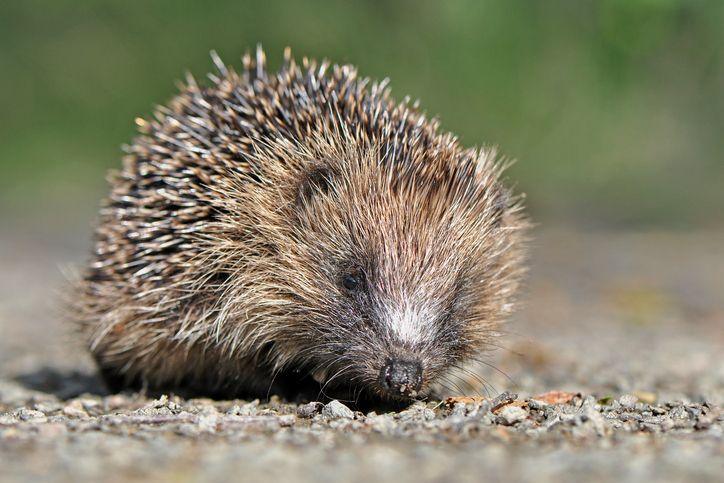 Image source,gettyImage caption,
Hedgehogs - just one of the UK's wild animals that hot weather does not favour
Fruits and nuts ripen earlier in hot weather and that means fewer are available in the autumn when these animals are trying to build up the reserves of fat they need to see them through winter.
At the Alice Holt forest research centre outside London they are investigating how our trees and forests can be made more resilient to the country's future climate.
The sad fact is that many of our current tree species just can't cope, says Dr Gail Atkinson, the head of Climate Change Science at the centre.
"After a drought you can see reduced growth, so trees aren't growing as we would expect them to," she says.
"If you look up in the canopy you can see the leaves looking a little bit raggedy and there are other signs of stress as you're walking through the woodland including extreme examples you might find that the trees have actually died."
Studies at Alice Holt show one species that could do well as the UK continues to get hotter and wetter are coastal redwoods from California. It has been growing trees from different latitudes for the last 60 years to see how they fare in the UK climate.
It means that, in the decades to come, the world's tallest trees could become a common sight here in the UK.
Source: BBC News / State of the Climate Report
Image source,gettyImage caption,Hedgehogs - just one of the UK's wild animals that hot weather does not favour
Fruits and nuts ripen earlier in hot weather and that means fewer are available in the autumn when these animals are trying to build up the reserves of fat they need to see them through winter.
At the Alice Holt forest research centre outside London they are investigating how our trees and forests can be made more resilient to the country's future climate.
The sad fact is that many of our current tree species just can't cope, says Dr Gail Atkinson, the head of Climate Change Science at the centre.
"After a drought you can see reduced growth, so trees aren't growing as we would expect them to," she says.
"If you look up in the canopy you can see the leaves looking a little bit raggedy and there are other signs of stress as you're walking through the woodland including extreme examples you might find that the trees have actually died."
Studies at Alice Holt show one species that could do well as the UK continues to get hotter and wetter are coastal redwoods from California. It has been growing trees from different latitudes for the last 60 years to see how they fare in the UK climate.
It means that, in the decades to come, the world's tallest trees could become a common sight here in the UK.
Source: BBC News / State of the Climate Report


